


Alerta Sísmica México - SASSLA
4.8493.00 Reviews
App Specs
- Version
- 8.1.0r3-public
- Updated On
- License
- Free
- Downloads
- 5,000,000+
- Developer
- SASSLA México
- Categories
- News & Magazines
- Platform
- Android
Screenshots
 Analysis by AppCompare
When I think about earthquake preparedness, I do not want another app that only becomes useful after the shaking has already started. I want something that can turn a quiet phone into an early warning point, while still being honest about the limits of that warning. That is the idea behind Alerta Sísmica México - SASSLA, a free news and magazine app from SASSLA México focused on earthquake alerts in Mexico.
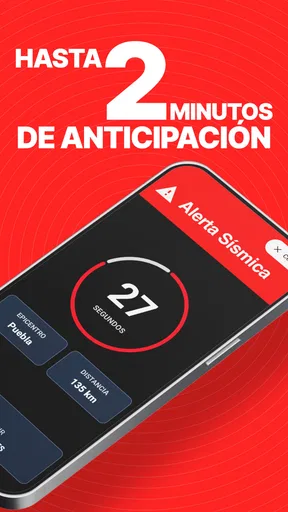
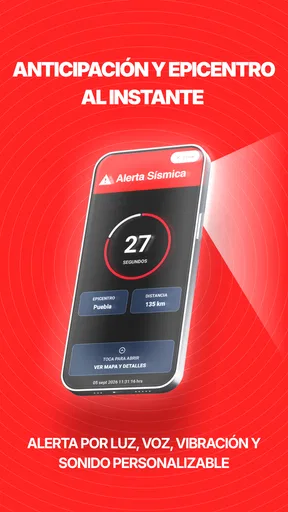
My first impression is that this is a practical safety tool rather than a general news reader. Its purpose is narrow, and that is a strength: instead of filling the screen with unrelated headlines, it centers the experience on receiving an alert when a strong earthquake may be approaching. The app’s store summary says the warning can arrive up to two minutes before a strong earthquake, but I would treat that as a possible maximum rather than a promise for every event or every location.
The app is available for everyone and supports Android devices running version 6.0 or later. It is free to install, although in-app purchases range from $2.99 to $34.99 per item. That combination makes it easy to try without an immediate commitment, but it also means I would examine any paid option carefully before deciding whether it adds value to my own routine.
From a quiet phone to a useful warning
I look at the move from an idle phone to a useful warning as a matter of preparation, not just installation. I’d decide where the device will stay and what I’ll do if an alert interrupts an ordinary moment, then consider how speed can vary with distance and circumstances. That practical setup leads naturally to what happens when the app is under heavier everyday demands.
Starting with the right expectations
The most important preparation happens before an alert arrives. Installing an earthquake-warning app is not the same as creating a complete emergency plan. I would first decide where the phone normally stays, whether its sound can be heard from another room, and who else needs to know what an alert means. If the device is buried in a bag, muted during the day, or left far from the bedroom at night, the technology may be less useful than expected.
I also would not rely on this app as a replacement for official instructions, building procedures, or common earthquake safety habits. An alert can provide a valuable moment to react, but it does not remove the need to protect my head, move away from glass, and follow the safest action for the place where I am standing. The app is best understood as an extra layer between detection and response.
That distinction matters because early warning is not a prediction. The system can warn about an earthquake that has already begun at its source, giving some people time before stronger shaking reaches them. People closer to the origin may receive little or no useful lead time. In other situations, the warning may arrive while I am already feeling movement. I appreciate the concept, but I would never interpret a silent phone as proof that an earthquake cannot happen.
Worth Reading Before You Choose

EA SPORTS FC Mobile 26 Is a Bigger Football Game, but It Takes Time

Flipboard Shows What News Apps Must Do Beyond the Feed

Switching to Android Auto Means Rethinking Your Driving Routine

Google Calendar Makes a Crowded Week Easier to Manage

Ludo King Makes the Most of the Minutes Between Plans

Baby Panda World Brings Quick Play to Modern Phones, but Its Game Library Feels Busy
Installing and preparing the workflow
After installing the app, I would spend a few minutes checking how it behaves in my normal routine. I would keep notifications enabled, make sure the phone is not permanently in a mode that blocks urgent sounds, and review the device’s battery and background restrictions. These are not glamorous steps, but they are where many alert systems lose their practical value.
A useful personal test is to imagine three locations: at home, at work, and outside. At home, the phone may be near me, but a shower, cooking noise, or another room can make an alert easy to miss. At work, a building’s own procedures may take priority. Outside, traffic and headphones can make a sound-based warning difficult to notice. Thinking through those situations helps me decide whether I need a second communication method or a conversation with family and coworkers.
I would also tell the people around me what the app is for before the first real alert. That handoff is important. If a family member sees a warning but does not know whether it is a test, a local event, or a serious instruction to act, the notification can create confusion instead of speed. A simple agreement such as “move away from windows and check on each other after the shaking stops” makes the warning more actionable.
What happens when an alert arrives
The core flow is simple. The app delivers an earthquake warning, I notice it, I quickly assess my surroundings, and I take protective action. The best response is not to stare at the screen looking for a long explanation. If I am indoors, I would immediately look for a safer position away from windows, shelves, and hanging objects. If I am already moving, driving, or on stairs, I would adapt to that situation rather than blindly following a generic instruction.
This is where the app’s focused purpose becomes useful. A general news application may report an earthquake after it has become a public story, while a social network may fill the screen with unverified reactions. SASSLA’s role is earlier and more direct: place a warning in the path between seismic activity and personal action. That is a meaningful difference, especially for someone who wants one dedicated tool instead of constantly monitoring news feeds.
At the same time, I would keep my expectations realistic about timing. “Up to two minutes” can sound like a generous window, but the actual opportunity depends on the earthquake’s location, the user’s distance from it, the communication path, and whether the phone can present the alert clearly. For someone near the source, the lead time may be very short. For someone farther away, it may be more useful. The app cannot change those physical limits.
The handoffs that determine whether it helps
An alert does not save anyone by itself. It passes through several handoffs: the seismic event must be detected, the warning must reach the service, the phone must receive and present it, the user must recognize it, and the user must act correctly. Every handoff adds a possible point of friction.
The first handoff is from the detection system to the app. I cannot personally verify that process from the notification alone, so I judge the product by what it offers the user: a dedicated channel for earthquake warnings rather than a stream of delayed reports. The next handoff is from the app to the phone’s operating system. Battery-saving settings, notification controls, poor connectivity, or a phone that is switched off can all interrupt the chain.
The final handoff is human. A warning that arrives while I am asleep, wearing headphones, or in a loud public place may not be noticed. That is why I would place the phone where its alert can realistically reach me and avoid treating the app as a background installation that never needs attention. The more important the situation, the less sensible it is to assume that a single device will always be heard.
For a household, I see a particularly useful workflow. One person can receive the alert first, take immediate protective action, and then check on children, older relatives, or pets when it is safe. That does not mean everyone should wait for one person’s permission to move. It means the app can become part of a shared plan, with each person knowing what to do before the message arrives.
What I do after the shaking
The outcome I want is not simply “I received a notification.” The useful outcome is that I gained enough awareness to make a safer decision. After the shaking, I would check for injuries and immediate hazards, avoid elevators if the building may be damaged, and follow local emergency guidance. I would also use more than one source to understand what happened, because an early warning is not necessarily a full situation report.
This is another area where SASSLA differs from ordinary news and magazine apps. A news app may be better for a broader account after an event: affected areas, official announcements, transport changes, or continuing coverage. SASSLA is more valuable at the first moment, when speed matters more than a complete article. I would use it as the alert layer and turn to trusted official channels for confirmation and instructions afterward.
The app’s large audience suggests that this focused approach resonates with many Android users. It has a 4.8 average from around 651 thousand ratings and more than 5 million installs. Those figures make it easier for me to regard the app as an established option rather than an obscure experiment, although popularity cannot guarantee that every alert will arrive in every circumstance.
Where the workflow breaks
The biggest weakness is not necessarily a missing button; it is the unavoidable uncertainty of earthquake warning. A notification may come with little lead time, and no app can promise that every user will receive a warning before shaking begins. Someone who lives very close to an earthquake’s origin should be especially cautious about expecting a comfortable preparation period.
Phone dependence is another limitation. If the battery is empty, the device has no usable connection, or its notification behavior is restricted, the workflow stops before the user can act. I would not install the app and then forget basic phone maintenance. Keeping the device charged and checking that urgent notifications are not blocked are simple habits, but they are essential to this type of tool.
There can also be social friction. A loud warning in a workplace, classroom, or shared home may startle people who do not know what it means. Some users may prefer a quieter notification, while others need a stronger signal because they sleep deeply or work in noisy environments. I would choose the setup that matches my surroundings, then explain the alert to the people most likely to be nearby.
The paid content deserves a thoughtful look as well. The app itself is free, but individual in-app purchases cost between $2.99 and $34.99. I would not pay simply because the subject is important. I would first use the free experience, understand what the paid item changes, and ask whether it improves my specific workflow. A paid option is worthwhile only if its benefit is clear and relevant to how I use the app.
Who should use it, and who should skip it?
I think this app is a strong fit for people in Mexico who want a dedicated earthquake-warning channel on an Android phone. It is especially sensible for households that already have a safety plan but want an additional early signal. It may also appeal to commuters, students, office workers, and caregivers who need a quick prompt to move away from hazards before stronger shaking reaches their area.
I would be more cautious recommending it to someone who expects a guaranteed countdown, a complete emergency information service, or a substitute for official authorities. It is also not the right tool for a person unwilling to keep notifications available or to think through what action to take. In those cases, an app cannot solve the underlying readiness problem.
People who mainly want detailed earthquake journalism may prefer a conventional news application after the event. Someone who needs a broad emergency-management platform may want a service covering weather, public safety, and local instructions in one place. SASSLA’s advantage is its specialization, but that specialization also defines its boundary.
Version, access, and everyday practicality
The current Android version is 8.1.0r2-public, and the minimum operating system is Android 6.0. That gives the app a relatively broad reach among older Android phones, although I would still check how well my particular device handles notifications and background activity. The developer is SASSLA México, and the app is marked for everyone, which fits its role as a general safety utility rather than an age-specific service.
Because it is free to download, I can evaluate the basic experience without paying first. My advice is to install it before an emergency, not during one. That leaves time to understand its notification behavior, decide where the phone will stay, and discuss the response with anyone who depends on me. A warning system is most useful when the user has already removed avoidable hesitation.
I would also avoid judging the app only by whether it produces an alert during a quiet week. Earthquakes are irregular, and the absence of a notification is not a meaningful test of quality. The better test is whether the app is ready, audible, understandable, and integrated into a plan when an alert eventually matters.
My final assessment
After looking at the complete workflow, I see Alerta Sísmica México - SASSLA as a focused preparedness companion, not a magic safety button. Its value comes from inserting a warning into the brief interval between an earthquake’s beginning and the arrival of stronger shaking for some users. That can be genuinely useful, but only when the phone, the notification path, and the person are all ready.
I would recommend trying it if you live in Mexico, use a compatible Android phone, and want a specialized alert channel alongside official guidance and a household emergency plan. I would keep the app free unless a paid feature clearly matches my needs, and I would never depend on it as my only source of information. Used with realistic expectations, it offers a practical extra chance to react; used as a guarantee, it can encourage dangerous overconfidence.
My bottom line: this is a worthwhile app for turning earthquake awareness into a repeatable routine, provided I treat the alert as an early signal rather than a promise. Its strongest result is not the notification itself, but the decision I have prepared to make when that notification appears.
Pros
- Provides earthquake alerts tailored to locations across Mexico.
- Includes useful safety guidance before
- during
- and after an earthquake.
- Offers real-time reports and updates from users and authorities.
- Simple interface makes key emergency information easy to find.
- Can help users prepare emergency contacts and response plans.
Cons
- Alert timing may vary depending on location
- network
- and sensor coverage.
- Some features or alerts may require an active internet connection.
- Frequent notifications can become distracting during periods of seismic activity.
- User-reported information may occasionally be delayed or inaccurate.
- Battery and location access may increase power consumption when enabled.
FAQs for Alerta Sísmica México - SASSLA
What is Alerta Sísmica México - SASSLA and how does it work?
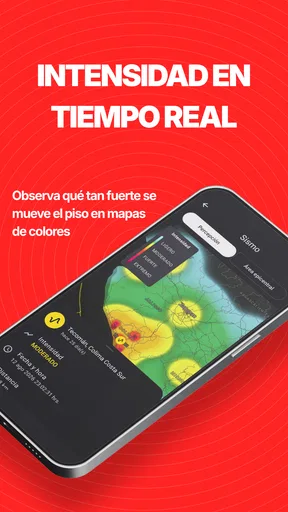
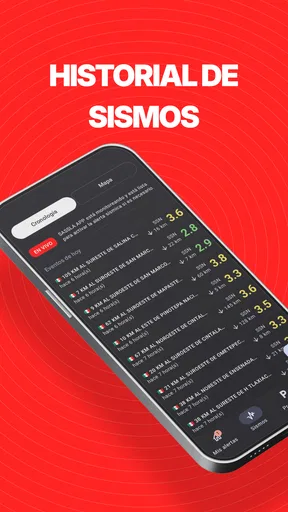
Alerta Sísmica México - SASSLA is an earthquake monitoring and warning app designed to provide users in Mexico with timely information about seismic activity. It can display alerts, earthquake notifications, maps, and related details based on available monitoring systems and configured locations. The app is intended as an additional source of information, not a replacement for official emergency authorities or public warning systems.
Does SASSLA provide earthquake alerts in real time?
SASSLA can send notifications about detected or reported earthquakes, but the timing and availability of an alert may vary depending on your location, internet connection, device settings, and the seismic event itself. No application can reliably predict an earthquake before it happens. Users should enable notifications, allow location access when requested, and keep the app updated, while continuing to follow official instructions from Mexican emergency services.
Is Alerta Sísmica México - SASSLA available throughout Mexico?
The usefulness of SASSLA may differ depending on where you live in Mexico. Areas with stronger coverage, compatible warning infrastructure, or closer access to seismic monitoring systems may receive more relevant alerts than remote locations. Before downloading, check whether your state or city is supported and review the app’s coverage information. Even in supported areas, alerts may be delayed or unavailable under certain technical conditions.
What permissions and phone settings does SASSLA require?
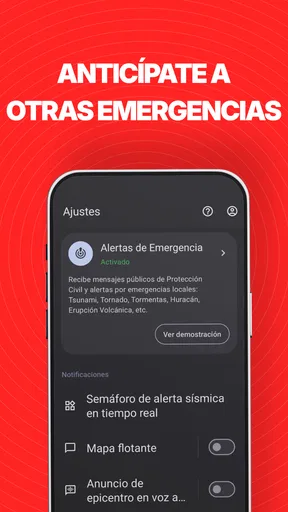
Depending on the features you use, SASSLA may request permission to send notifications, access your location, use mobile data, and operate in the background. These permissions help the app identify relevant alerts and deliver them promptly. For better performance, keep notifications enabled, avoid restricting background activity, and check that battery-saving settings are not preventing the app from connecting or issuing warnings.
Can SASSLA replace official earthquake alerts or emergency preparedness?
No. SASSLA should be treated as a supplementary information and warning tool rather than a guaranteed replacement for official alert systems, local authorities, radio, television, or emergency announcements. Earthquake alerts can be affected by connectivity problems, sensor limitations, device settings, or the speed of the event. Prepare an emergency plan, identify safe areas, and follow instructions from Protección Civil and other official agencies.


